Living with your surfaces
Care & Maintenance
A little care, every day, helps your surfaces stay beautiful for years to come. Find practical guidance for your material below, or get in touch. We are always happy to help.
01 / Natural character
Granite
Care for the finish, protect the seal, and let the natural beauty of your granite shine.
Explore Granite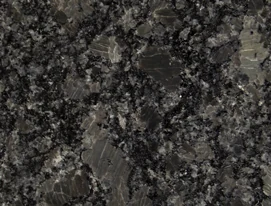
A guide to everyday care
Everyday cleaning
For everyday spills and food residue, use regular household liquid detergent and warm water with a soft cloth.
Avoid vigorous scrubbing, which can dull the polished finish. The full care guide includes guidance on occasional stain removal.
Polish & sealing
Granite slabs are polished and sealed before benchtop manufacture. Keeping the protective seal in good condition helps protect the surface.
The care guide recommends re-sealing every two years, if necessary. A few drops of water can help check the seal: if the surface absorbs them, it may need re-sealing. Our team can help you with the next step.
Preventing scratches
Always use a chopping board, even on a hard-wearing surface. Lift objects into place instead of dragging them across the benchtop.
Protecting against heat
Place a trivet between hot cookware and your granite. Direct, concentrated heat can cause thermal shock and damage the surface.
Spills & stains
Wipe up spills promptly, especially oils and acids. Granite is slightly porous, and liquids left to soak in can stain the surface.
Maintaining the protective seal and cleaning spills before they dry will help protect your benchtop.
Edges, joins & everyday use
Granite is durable, but heavy impacts can still chip or crack a surface or edge. Take care when moving heavy objects.
Avoid excessive weight on unsupported areas and around joins.
02 / Considered simplicity
Quartz
Simple daily habits help preserve the polished finish and keep your quartz looking its best.
Explore Zero Silica Quartz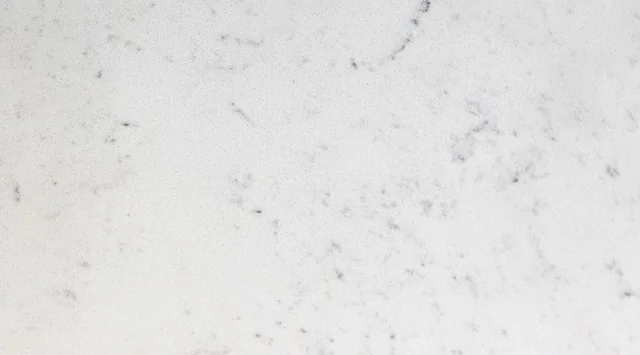
A guide to everyday care
Everyday cleaning
Use regular household liquid detergent and warm water on a soft cloth to remove everyday spills and food residue.
Avoid vigorous scrubbing, which can dull the polish. Refer to the full care guide for occasional stain removal and ask us if you are unsure about a cleaner or finish.
Polish & sealing
Polished quartz has low moisture absorption and generally does not require sealing. Regular, gentle cleaning helps care for its finish.
Preventing scratches
Use a chopping board when preparing food. Lift objects instead of dragging them, even though polished quartz is a hard-wearing surface.
Protecting against heat
Keep hot pots and pans off the bare surface. Use a trivet: excessive localised heat can cause thermal shock and damage quartz.
Spills, stains & chemicals
Clean spills before they dry. Rinse with water and wipe clean promptly.
Avoid oven cleaners, paint strippers, paint removers and nail polish remover. Do not use bleach on or near quartz. If the surface is exposed to these products, rinse immediately with clean water and follow the usual cleaning procedure.
Edges, joins & everyday use
Protect edges and surfaces from heavy impacts, which may cause chips or cracks.
Avoid excessive weight on unsupported sections and near joins. If you notice damage, contact our team for advice.
03 / A gentle touch
Acrylic
Clean, rinse and dry. A simple routine helps keep the finish smooth and even.
Explore Acrylic
A guide to everyday care
Everyday cleaning
Wipe with warm soapy water, using the same concentration as for normal dishwashing. Rinse thoroughly, then dry completely with a clean towel to avoid smearing.
Leaving water to dry on the surface can create a film that looks dull or uneven. Drying after each clean makes a difference.
Getting to know acrylic
Acrylic is a solid, mineral-filled acrylic polymer material with a non-porous surface. It does not need a sealant for protection.
Many marks and minor damage can be repaired. Contact our team before tackling deeper damage or changing the finish.
Preventing water marks & stains
Clean up spills before they dry. Rinse after cleaning and wipe the benchtop completely dry to help keep its finish even.
Protecting against heat
Hot cookware can damage acrylic. Always use a hot pad or a trivet with rubber feet; do not place hot pots or pans directly on the benchtop.
Cuts, scratches & repairs
Acrylic can scratch, so always use a chopping board. The full care guide explains how minor marks may be treated with a small amount of a suitable cleanser.
Using the wrong product or technique can dull the finish. For deeper scratches or any uncertainty about treatment, contact EONStone. Re-sanding may be needed.
Avoiding chemical damage
Avoid strong chemicals such as paint removers, nail polish remover and oven cleaners. If contact occurs, promptly flush the surface with water.
Prolonged exposure can leave marks that need professional attention. Our team can advise you on the best next step.